Why Cloud Apps Are No Longer Optional — They’re Your Growth Engine
I share insights on Software Development, Data Science, and Machine Learning services. Let's explore technology together!
Businesses today aren’t just generating data — they’re drowning in it. Customer interactions, app usage, transactions, real-time operations… everything is happening faster than traditional systems can handle.
That’s exactly why cloud application development is no longer a “nice-to-have.” It has become the backbone of modern business — powering scalability, performance, automation, and the agility every organisation needs to stay competitive.
But what does it really mean to build a cloud application?
And more importantly, why is everyone shifting to the cloud?
Let’s break it down.
What is Cloud Application Development?
A cloud application is built, deployed, and run entirely on cloud infrastructure — not on local hardware.
All processing, storage, analytics, and workflows happen on remote servers, while users access it from any device. This makes cloud apps:
Accessible from anywhere
Instantly scalable
Secure and resilient
Cost-efficient
Perfect for real-time collaboration
Whether you’re building a CRM, an ERP module, a financial suite, a logistics dashboard, or a mobile app, the cloud removes all the traditional limitations.
The 3 Cloud Development Models You Need to Know
Press enter or click to view image in full size
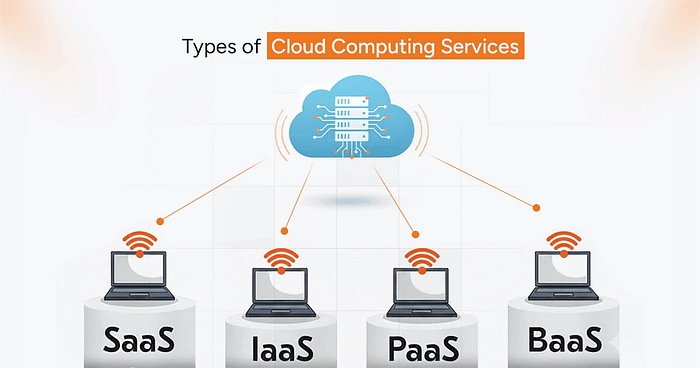
When building in the cloud, businesses typically choose from three models:
1. SaaS — Use instantly, scale effortlessly
CRMs, communication tools, collaboration suites — everything ready to use, with no maintenance required.
2. PaaS — Build without managing servers
Developers get full environments, servers, tools, and databases handled by the cloud provider.
3. IaaS — Rent infrastructure on demand
Full control over servers, networking, security, and compute resources — without hardware costs.
Each model solves a different business need — together, they power limitless innovation.